
Our Curriculum Pathways

At Vasant Valley School, Gurgaon Campus, the curriculum is built around one abiding intention: to honour the whole child and to help every child learn to learn and learn to feel.

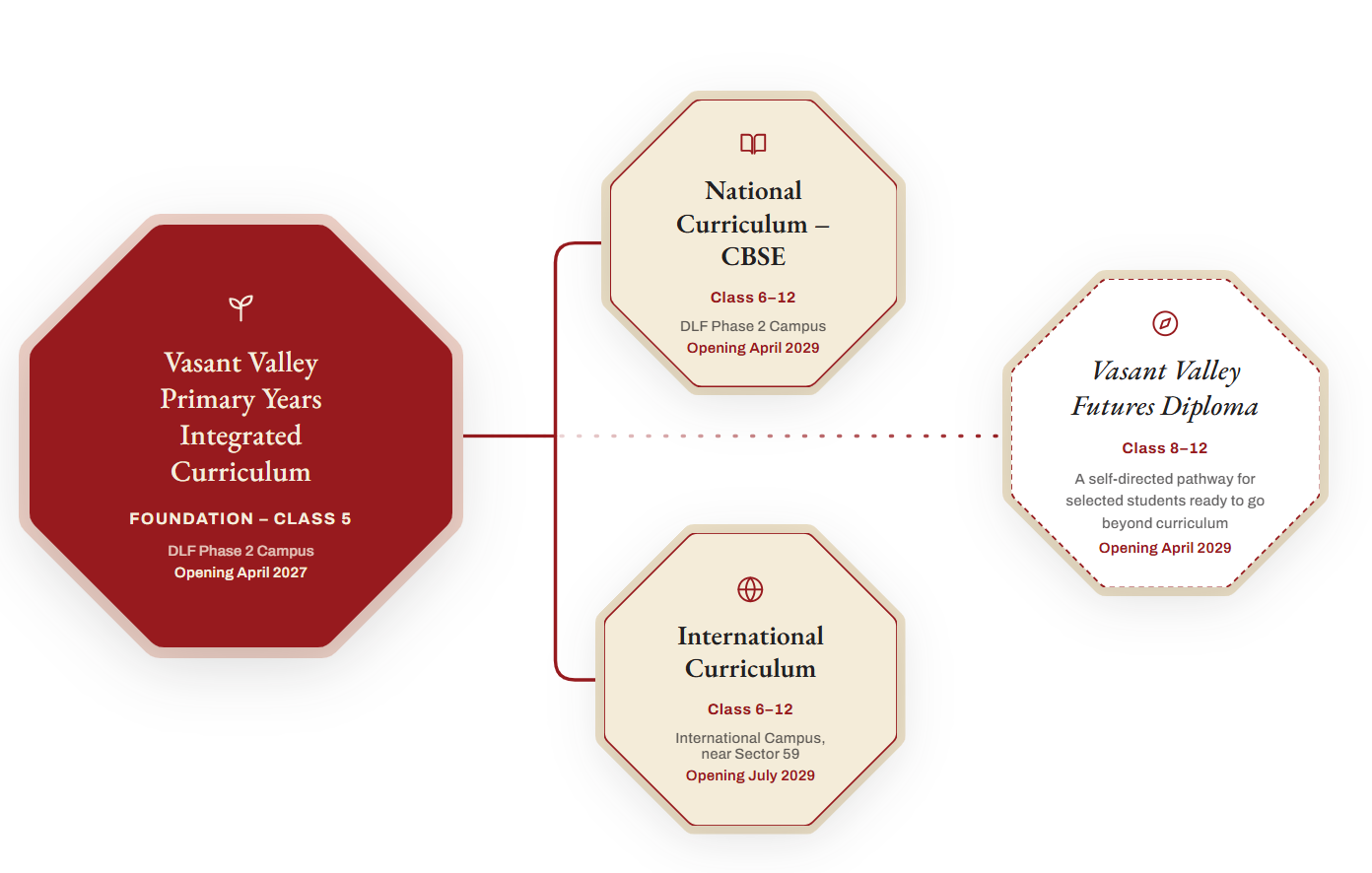
In the junior school, the Vasant Valley Primary Years Integrated Curriculum draws on time tested early year practices and is aligned with the National Education Policy 2020. Our curriculum is benchmarked to international standards in literacy and numeracy.

In Class 6, we offer a choice between the Central Board of Secondary Education (CBSE) and the International Curriculum at our upcoming campus near sector 59 Gurgaon. In Class 8 to 12, our bespoke Vasant Valley Futures Diploma offers self-directed pathways for students to go beyond the curriculum.

Our Curriculum Pathways

Our curriculum is intentionally designed to develop enduring human capacities such as original thinking, mindfulness, curiosity, empathy and resilience that enable children to flourish in an ever-changing world.

Three stages

From joy to curiosity
to mastery

At Vasant Valley School, each stage of school is anchored in a distinct quality of learning and designed to honour where a child actually is.

1

Junior School

आनंद · Ananda ·Joy These are the years when learning and delight are inseparable. We protect that. A child who loves learning in Class 1 will still be learning at 40.

2

Middle School

जिज्ञासा · Jigyasa · Curiosity These are the years when questions get harder and more personal. A student who knows how to ask a good question will always outpace one who can only recall a good answer.

3

Senior School

साधना · Sadhana · Rigour & Grit These are the years when effort becomes deliberate and self-directed. Rigour here is not pressure. It is practice — the slow, purposeful work of becoming someone capable of doing something that matters.

Foundation to Class 5

Celebrating the Culture
of Childhood

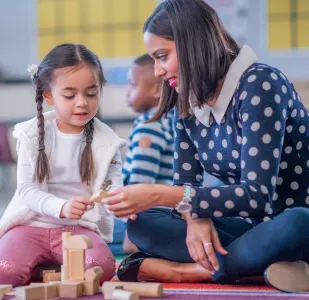
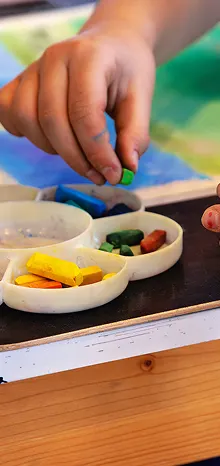
Guided by purpose and powered by play, children connect what they learn to the world around them. They ask real questions, solve real problems, while building confidence and strong foundations in language and numeracy. What begins as wonder in Foundation grows into fluency by Class 5.
1 rooted in care and relationships 

Rooted in care and relationships

2 unbridled play

Unbridled play as the soil of childhood

3 joy of learning and being

⁠⁠Joy of learning and being

4 days that breathe in nature 

Days that breathe in nature and natural materials

Vasant Valley Primary Years Integrated Curriculum

Our primary years curriculum draws on the world’s most trusted approaches to early learning. It draws on the rich, inquiry-led environments of Reggio Emilia, the focus and independence of Montessori, and the warmth, rhythm, and imagination of Waldorf. These traditions are woven together with India’s National Education Policy and an internationally benchmarked foundation in literacy and numeracy, giving the child one coherent experience, rooted in how young children actually learn.

Early childhood best practices

We bring meaning and structure together to foster deeper learning through Reggio Emilia, Montessori and Waldorf

+
  • Space as the third teacher
  • Learning through play
  • Storytelling and imagination
  • Nature-based learning
  • Practical life and independence
Rooted in the National Education Policy 2020

Aligned with India’s NEP for competency based practice and deep connection to Indian culture

+
  • Concept mastery
  • Multilingual learning
  • Competency-based learning
  • Scientific thinking and inquiry
  • Indian culture and heritage
Benchmarked to the world's best

Benchmarked to global standards for literacy, numeracy & teaching practices

+
  • Reading, writing & numeracy programs aligned to international standards
  • Inquiry-based learning
  • Interdisciplinary learning
  • Student voice and agency
  • Culture of reflection and critique
  • Balanced, portfolio-based assessment
  • Global perspectives

Vasant Khet - Our Organic Farm

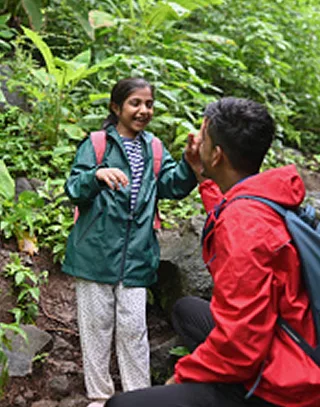
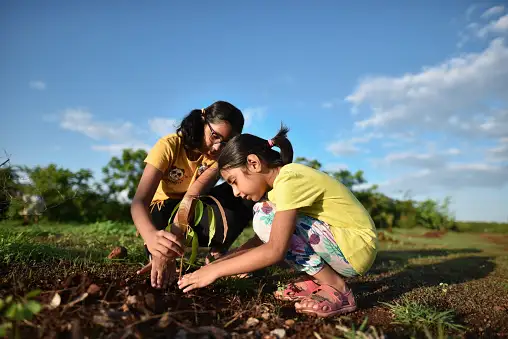
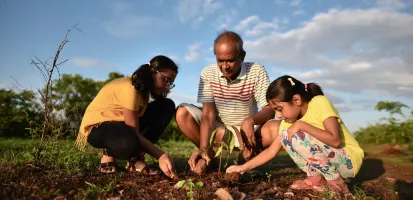
Children learn the rhythms of nature through gardening, seasonal exploration, storytelling, and creative play at the DLF Phase 2 Campus and through regular visits to our organic farm at the Sector 59 Campus. Children plant, harvest, and cook food, connecting what grows in the ground to what appears on the table.

Learning Expeditions

Concept to
Creation units

Every learning cycle culminates with creation. Students don’t just study a question, they research it, engage with experts, and build a response that has real purpose and a real audience. This is what the Concept to Creation model looks like in practice.

Here are a few examples.

everyone belongs here
Literacy Performing Arts Wellbeing
Kindergarten

Everyone Belongs Here

How do we make space for everyone, and what must change so everyone belongs?
Disciplines

Literacy & Language Arts · Performing Arts · Visual Arts · Wellbeing · Social Sciences

The Learning
  • Explore greetings, sign language, gesture and braille
  • Read texts to understand identity, difference and belonging
  • Learn from families and inclusion experts
  • Play games that build trust, listening and teamwork
  • Audit school spaces for barriers to access
Concept to Creation
  • Creating an original performing arts/ visual arts piece demonstrating inclusion
  • Implement recommendations on making shared spaces inclusive
  • Design a Kindness Kit that helps everyone feel welcome, included, and like they belong.
Skills

Critical thinking · Communication · Empathy · Collaboration · Creativity · Human-centred problem-solving
healthy choices, healthy lives 
Science PHYS ED Maths
Class 2

Healthy Choices, Healthy Lives

How do our everyday choices about food, hygiene, sleep, and movement keep us healthy?
Disciplines

Science · Health & Physical Education · Mathematics · Literacy & Language Arts . · Design & Maker Engineering

The Learning
  • Investigate how movement affects heart rate, breathing, mood and focus
  • Read informative texts on health and movement
  • Track sleep, activity, hydration and meals using simple logs and identify possible causes and effects
  • Learn from health, fitness and nutrition experts
Concept to Creation
  • Design and build a wellbeing device based on survey
  • Identify a health problem experienced by parents 
  • Design a product that helps solve that problem.
Skills

Research · Self-management · Reflection · Health literacy · Data literacy · Design thinking · Communication

nourishing the future
Science Maths Design
Class 3

Nourishing the Future

How can the way we grow, cook and share food nourish people while restoring the earth?
Disciplines

Science · Mathematics · Literacy & Language Arts · Health & Physical Education ·  · Design & Maker Engineering

The Learning
  • Work alongside farmers on our school farm and explore soil, compost wet waste. Grow and harvest seasonal produce
  • Cook nutritious food in the Nourish Lab
  • Learn from farmers, chefs and nutritionists
  • Explore how food choices shape people and the planet
Concept to Creation
  • Design a regenerative kitchen garden
  • Grow, harvest and cook a seasonal meal and host a regenerative table for families
  • Design a solution that helps reduce food waste at school
Skills

Self-management · Scientific thinking · Data literacy · Oracy · Collaboration · Systems thinking · Design thinking

who thrives, who vanishes 
Science Visual Arts Maths
Class 4

Who Thrives, Who Vanishes

Why do some living things flourish while others disappear?
Disciplines

Science · Mathematics · Literacy & Language Arts · Visual Arts · Design & Maker Engineering

The Learning
  • Study habitats and biodiversity across the school campus
  • Observe plants, birds, insects and changing habitat conditions
  • Investigate food webs, adaptation and habitat loss
  • Gather data, learn from experts and create for biodiversity
Concept to Creation
  • Create illustrated field guides blending science, data and art
  • Design a product, feature, or habitat that helps insects and animals on our school campus thrive
Skills

Research · Observation · Communication · Scientific inquiry · Data literacy · Systems thinking · Environmental stewardship

voices for change
Social Studies Digital Literacy
Class 5

Voices for Change

How can understanding our rights and responsibilities help our communities evolve?
Disciplines

Social Sciences · Literacy & Language Arts · Mathematics · Digital Literacy · Performing Arts

The Learning
  • Distinguish rights, needs, wants and responsibilities
  • Explore children’s rights through stories, case studies, community experts
  • Investigate barriers to safety, education, health and participation
  • Gather and interpret data on access and equity 
  • Examine and debate how systems and institutions protect rights
Concept to Creation
  • Create a ‘Rights in Action’ campaign combining podcasts, data-based visuals and student recommendations
  • Lead a school assembly that informs peers and calls the community to act
Skills

Research · Critical thinking · Self-management · Civic literacy · Data literacy · Persuasive communication · Debating

Dream It, Build It, Pitch It
Social Sciences Digital Literacy
Class 7

Dream It, Build It, Pitch It

How can turning ideas into business create value for ourselves and our community?
Disciplines

Social Sciences · Literacy & Language Arts · Mathematics · Digital Literacy · Performing Arts

The Learning
  • Explore entrepreneurship through stories, case studies and community business experts, mentored by entrepreneurs
  • Generate ideas through survey of customer needs
  • Calculate costs, pricing and profit, and interpret simple sales data
  • Debate tensions between making profit and acting responsibly
Concept to Creation
  • Design a micro-business and branding 
  • Incubate ventures and refine them through a School Shark Tank, pitching to a panel for feedback and investment
  • Launch ventures at a school Business Fair, handling real transactions with peers and community
  • Direct profits towards a chosen cause
Skills

Research · Critical thinking · Financial literacy · Self-management · Creative problem-solving · Persuasive communication · Pitching

DISCOVER

Learn more about Vasant Valley

Curated links to help you explore our school in depth.

Future Fluent™ Framework

What your child learns, and who they become.

Learn More

Space the Third Teacher

Designed to teach as much as teachers do.

Learn More

Admission

When you're ready, we'd love to hear from you.

Learn More

Student Life

Where friendships form, character is tested, self is found.

Learn More
Lower Primary · nursery - class 2

Wonder before worksheets.

These are the years when the brain builds its foundations for language, curiosity, and trust. Children learn through play, movement, and guided discovery, not through pressure. By Class 2, they leave with genuine confidence, growing independence, and a purposeful grounding in reading, writing, and mathematical thinking.

We focus on

Roots before wings
Play is the work
Two languages from day one
Families as partners

Campus and
Spaces

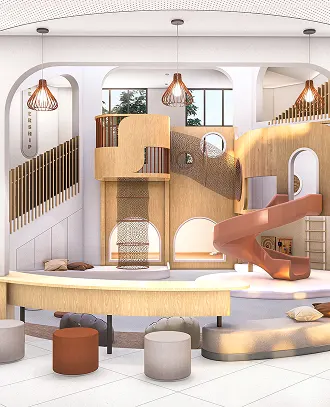
Our early years spaces have been deliberately designed to offer many different kinds of learning and play so that every child can find the context in which they thrive. Together, these spaces form an environment where curiosity always has somewhere to go.
01

Jhoola Badi

our landscaped outdoor playground combines active and energetic play with adventure, imaginative play, balance and motion, and discovery in nature.

02

Vasant Bagh

a garden where children tend herbs and vegetables, connecting learning to the living world.

03

Vasant Rasoi

a mud kitchen for sensory, social, and creative exploration.

04

Vasant Angan and Vasant Manch

indoor spaces for play, movement, and shared experience.

05

Studio Spaces

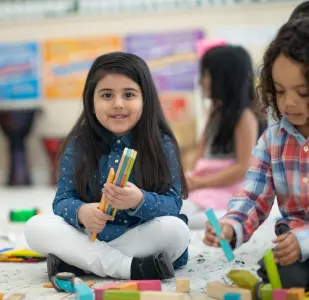
a block room, a sensory and art studio, a light atelier, and a makerspace where children build, tinker, and create.

Upper Primary · Class 3 - class 5

Foundations grow into fluency.

In the upper primary years, curiosity deepens and independence grows. Literacy and numeracy become tools for thinking, not just skills to practise. Through inquiry-based, interdisciplinary learning, students ask better questions, collaborate more confidently, and take increasing ownership of their own progress.

We focus on

Wonder Hours
Learner Portfolio
Three Languages
Exhibitions
MIDDLE SCHOOL · CLASs 6 - class 8

Strong foundation Emerging Independence.

Middle School is where students begin to take real ownership of their learning. Academic work deepens. Study habits sharpen. Students begin to discover the interests and capabilities that will shape their path ahead. Rigour and mentorship sit alongside rich experiences beyond the classroom because who they are becoming matters as much as what they are learning.

We focus on

Spiralling Capstone
Thinking Lab
Learner Portfolio
Wonder Hours
SENIOR SCHOOL · CLASS 9 - class 12

Mastery. Meaning. Direction.

Senior School is where students begin to shape a distinct path. Learning becomes more analytical, discussion-rich, and self-directed. There is greater choice, deeper study, and growing independence alongside the structure, mentorship, and guidance students need to make the most of these years. The goal is not just strong results. It is students who know what they are capable of, and what they want to do with it.

We focus on

Spiralling Capstone
Advisory
 Learning to Fail Festival
Global Futures

Signature Programmes

Vasant Valley Futures Diploma

Grades 8–12: By Selection

+

A rigorous, self-directed pathway for selected students ready to go beyond the curriculum. Through deep academic study, creative studios, internships, and mentorship, students build original work with real-world relevance and leave with a distinctive portfolio.

Financial Literacy

Grades 3–12

+

From classroom marketplaces to mock stock exchanges, students learn to make thoughtful, informed and responsible financial decisions.

Oracy and Voice

Foundation–Grade 12

+

Students are taught to find, shape, and use their voice across four strands: the cognitive (how to structure an argument and reason clearly), the linguistic (vocabulary, register, and rhetorical technique), the social and emotional (listening, confidence, and reading a room), and the physical (projection, pace, and presence).

The Caring School Programme

Foundation–Class 12

+

In the early years, students learn to name emotions, repair relationships, and understand how their actions affect others. As they grow, the curriculum deepens into identity, belonging, mental health, and ethical responsibility.

Nourish Lab

Grades 1-8

+

Children develop a healthy relationship with food through hands-on cooking, food games, nutrition awareness and joyful exploration of how food supports wellbeing.

+
One City, Two Campuses
Vasant Valley School, International Campus Sector 59

OPENING Soon

Three Traditions. One Belief

That Childhood Deserves
Our Deepest Commitment

WALDORF

We see each child as a whole human being and we protect the natural pace of childhood with rhythm, beauty, nature, imagination, and purposeful work.

REGGIO

We honour the child's hundred languages as intelligent and worthy, and follow the “wondering child” who is full of theories and questions about the world. Our studios, spaces, and teachers all begin from one belief: that knowledge is never simply taught, but co-constructed.

MONTESSORI

Our classrooms are ordered, beautiful, prepared environments scaled to a child's hands, where children freely choose their own work. We believe a child seeks not the easy path but the worthy one, discovering through real concentration that the effort itself is the reward.